
learn more work we has done
How Conveyor Rollers Improve Warehouse Automation Efficiency
Our diverse portfolio represents decades of construction experience backed by a passion for quality, outstanding client service and the latest industry technologies.
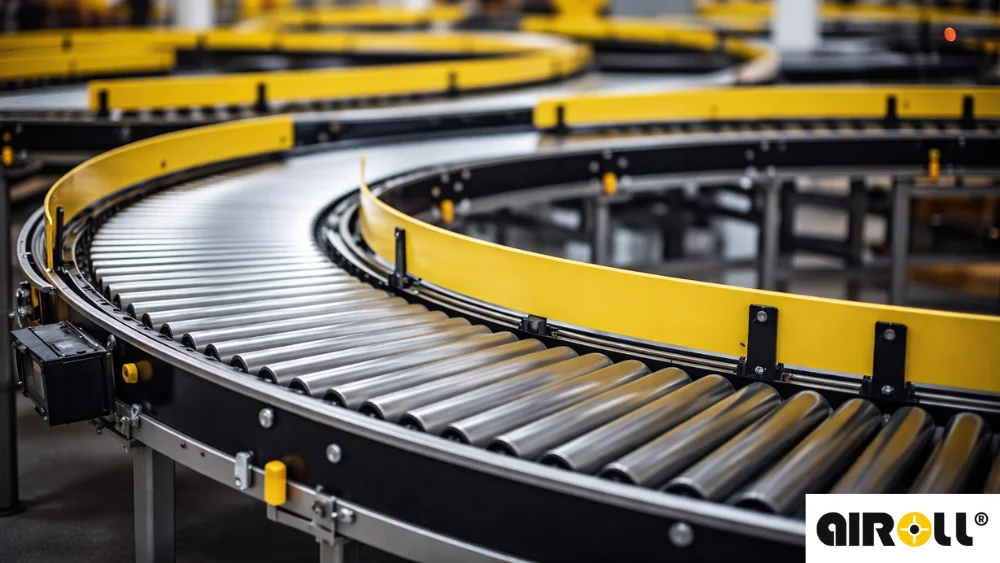
How Conveyor Rollers Improve Warehouse Automation Efficiency
Modern warehouses are rapidly adopting automation to improve productivity and streamline logistics operations. One of the most important components in automated warehouse systems is the conveyor roller. Conveyor rollers play a crucial role in moving products smoothly across conveyor lines, reducing manual handling and improving overall workflow efficiency.
Industrial facilities today depend on industrial conveyor rollers to ensure fast, reliable and continuous product movement in large warehouse environments. These systems help businesses handle high volumes of goods while maintaining operational efficiency.
The Role of Conveyor Rollers in Warehouse Automation
Warehouse automation relies on efficient material handling systems to transport goods between different operational areas. Warehouse conveyor systems use conveyor rollers to move cartons, pallets and packages across storage, sorting and packaging stations.
Conveyor rollers help automate the transportation process by allowing products to move smoothly along conveyor lines without requiring constant manual intervention. This improves operational speed and ensures consistent workflow throughout the warehouse.
In automated warehouses, conveyor rollers support processes such as:
Product sorting and distribution
Packaging and order fulfilment
Inventory movement within warehouses
Transport of goods between workstations
By integrating conveyor rollers into warehouse automation systems, companies can significantly improve logistics performance.
Improving Productivity in Warehouse Operations
One of the biggest advantages of conveyor rollers for warehouse automation is their ability to improve productivity. Automated conveyor systems allow goods to move continuously through the warehouse without delays caused by manual transportation.
Instead of workers manually carrying products between storage areas and packaging stations, conveyor rollers enable smooth product flow across the entire facility. This helps warehouses handle larger volumes of goods in less time.
Industrial conveyor rollers are designed to support continuous operations, ensuring that products move efficiently through automated logistics processes.
Suitable for transportation business
Warehouse automation systems using industrial conveyor rollers help businesses reduce labour costs while improving operational efficiency.
Manual material handling often requires large teams of workers to move products between different sections of a warehouse. Conveyor roller systems reduce this dependency by automating the product transportation process.
With conveyor rollers integrated into warehouse conveyor systems, businesses can:
Reduce manual handling tasks
Minimise workplace fatigue and injuries
Improve operational consistency
Allocate workers to higher-value tasks
This leads to significant cost savings while improving warehouse productivity.
Enhancing Logistics Efficiency
Efficient logistics operations depend on reliable material handling systems. Conveyor rollers improve logistics efficiency by ensuring smooth and uninterrupted product movement across warehouse conveyor lines.
Modern warehouse conveyor systems use different types of rollers depending on the operational requirements. These rollers allow goods to move quickly through sorting stations, packaging units and loading areas.
Reliable conveyor roller systems help warehouses maintain faster order processing, which is critical for industries such as e-commerce, retail distribution and manufacturing logistics.
Types of Conveyor Rollers Used in Automated Warehouses
Several types of rollers are used in automated warehouse conveyor systems depending on the application.
Common types include:
Gravity Conveyor Rollers
Unit Handling Conveyor Rollers
Curve Conveyor Rollers
Bulk Handling Conveyor Rollers
Each type of roller is designed to support specific conveyor applications, ensuring efficient product movement across warehouse automation systems.
Why Quality Conveyor Rollers Matter?”
High-quality conveyor rollers are essential for maintaining reliable warehouse operations. Poor-quality rollers can lead to system downtime, product delays and increased maintenance costs.
Industrial businesses choose durable industrial conveyor rollers that are designed for long service life, smooth rotation and high load capacity. These rollers ensure that automated warehouse systems operate efficiently even under demanding working conditions.
Conclusion :
As warehouse automation continues to grow, conveyor rollers remain a critical component of modern material handling systems. By improving productivity, reducing labour costs and enhancing logistics efficiency, conveyor rollers play a vital role in supporting efficient warehouse operations.
Businesses that invest in high-quality conveyor rollers for warehouse automation can achieve faster product movement, improved operational performance and reliable material handling across their facilities.
download brochure
Download our document for product details and workflow insights.